Fun with Github actions and bumping version numbers
Someone recently asked me if OpenPNM was still being maintained, and I was pretty shocked to see it had been months since we/I had dealt with any of the basic maintenance…
Nov 22, 2025
University of Waterloo · Chemical Engineering
We study atypical porous materials—electrodes, membranes, filters, papers, and catalyst supports—that don’t fit neatly into the classic tools built for rock, sand, and soil. Led by Prof. Jeff Gostick in the Department of Chemical Engineering at the University of Waterloo.
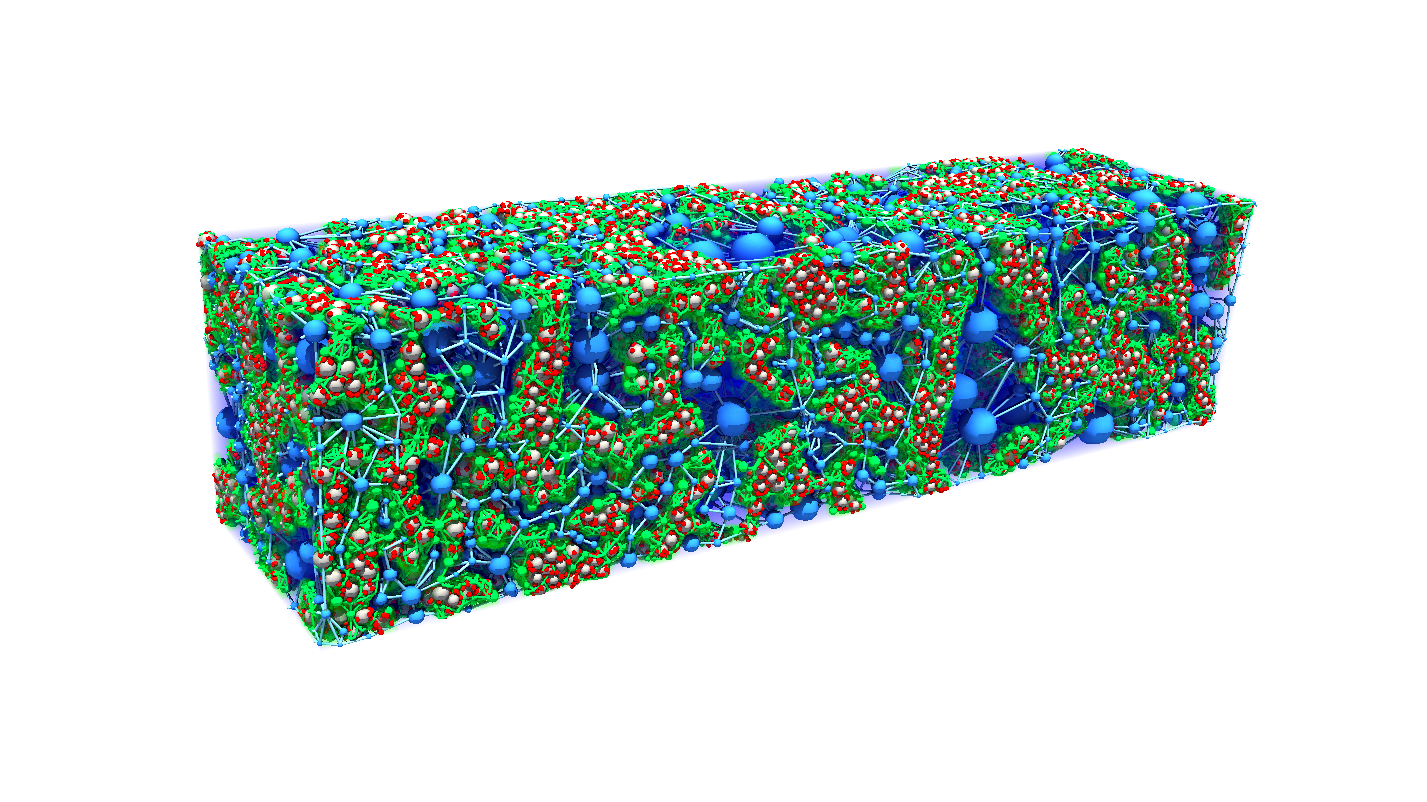

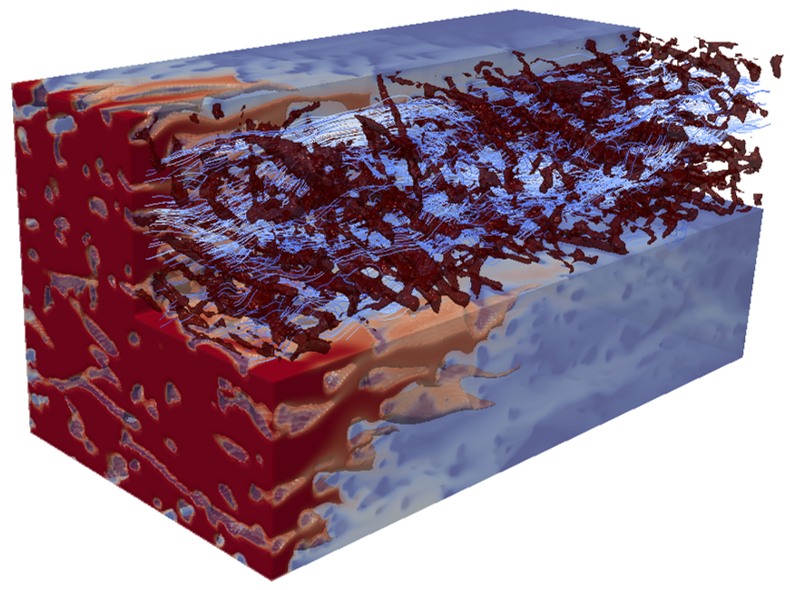
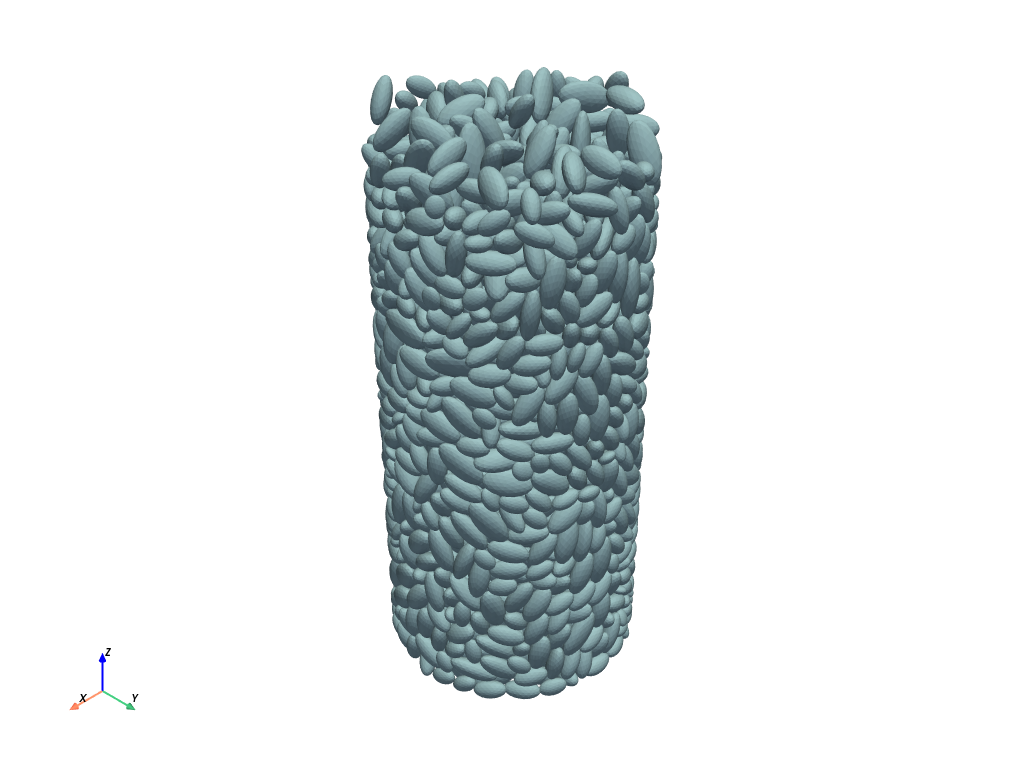
Materials
Electrodes, membranes, filters, papers & catalyst supports
3D Imaging
X-ray tomography and quantitative image analysis
Open Source
Home of the OpenPNM and PoreSpy Python packages
UWaterloo
Department of Chemical Engineering · Waterloo, ON
What we do
Our work moves between three areas—measuring properties in the lab, simulating transport at the pore scale, and fabricating tailored materials—with 3D X-ray tomography tying them together.
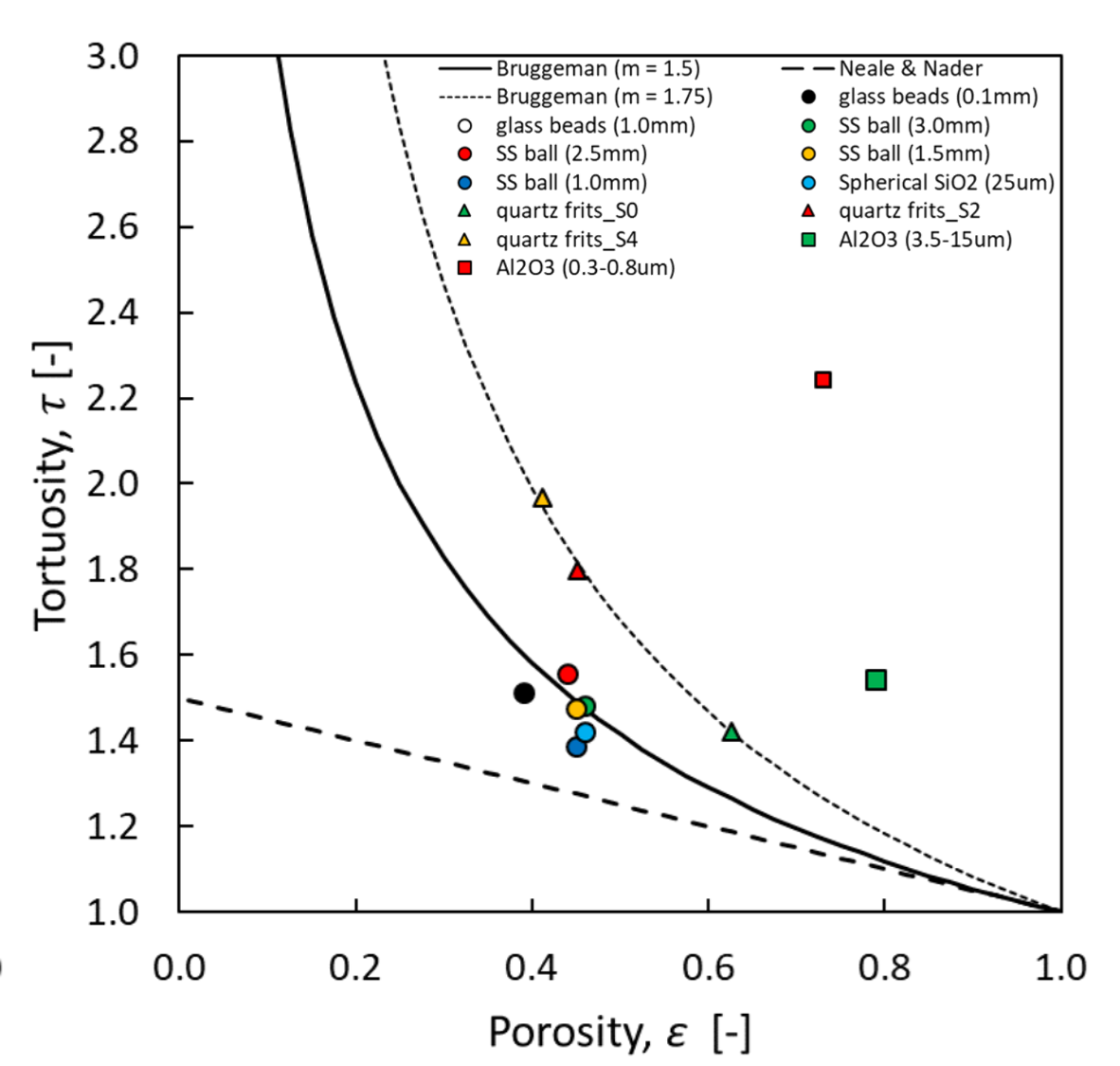
01 · Measure
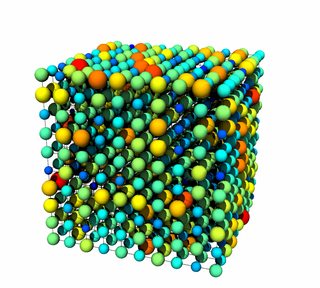
Thin, highly porous, and fibrous layers are difficult to test with standard rock-core instruments. We build custom sample holders and methods to measure their structural and transport properties.
02 · Model
We use pore-network modeling and direct numerical simulation on 3D tomography images to connect microstructure to transport and device performance.
03 · Make
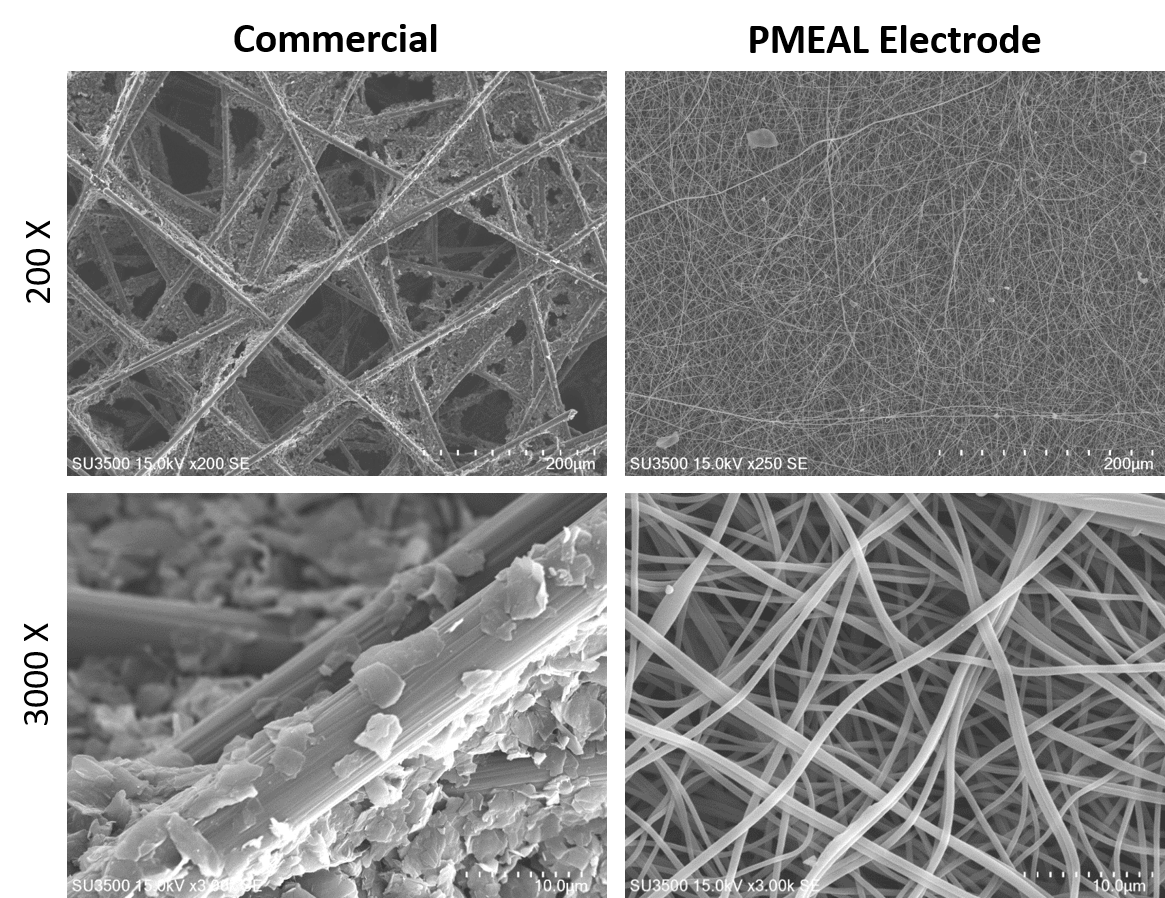
Using what we learn from measurements and models, we fabricate customized fibrous and porous materials—such as electrospun electrodes for redox flow batteries.
Software & open science
We build cloud tools and open-source Python packages for pore-scale modeling and 3D image analysis, alongside specialized utilities and the Poromics initiative. Explore all software →

Cloud platform · Python SDK
Cloud-based pore-scale analysis of 3D images—network extraction, permeability, and tortuosity solvers with a Python SDK.
Open-source · Python
Pore-network modeling tools for simulating transport phenomena—flow, diffusion, and reaction—in porous materials.
Open-source · Python
Image-analysis functions for extracting quantitative structural and transport properties from 3D tomography images.
Blog
Occasional notes on software, simulations, and lab updates.